This is the second Shabbat of consolation in the cycle of seven that stretch from Tisha B’Av, mourning the Destruction of the Temple, to Rosh Hashanah, the rebirth of the world. On each of these Shabbatot we read a haftarah, a passage from the prophets, that offers hope. Last week we read a passage from Isaiah, that began nachamu nachamu ami – “take comfort, take comfort, my people.” (Isaiah 40:1)
This week we read a prophecy, still in Isaiah, in which God assures the people that they are not forgotten or forsaken. “Can a mother forget her child,” asks God in what might be a lovely gender change-up. God then continues: Hen al kapayim chakotikh. “Behold – I have engraved you on the palms of my hands.” (Isaiah 49:16)
This is a beautiful image and not a simple one. It is complex because even in the biblical imagination, God’s hands are not human hands exactly. And Maimonides, 900 years ago in his Guide for the Perplexed, made quick work of all the anthropomorphic images of God in Torah. God’s hands are not hands. God’s arms not arms. God’s eyes not eyes. God’s face not a face. These are all metaphors, says Maimonides, to help us puny humans feel a certain feel. Maimonides would say that God is relating to us in such a way that, if it were a human doing it, would feel like cradling someone in the palms of our hands.
Okay, so here we are: metaphorical tattoos on the metaphorical palms of God’s metaphorical hands. So why this metaphor? What does it suggest?
In English I might say to you, “I know you like the back of my hand.” Take a look at the backs of your hands. How well do you know them? I look at the backs of my hands and I see my mother and my father and my grandmother. The same wrinkles, the same age spots. My family history recorded right in my skin.
The backs of our hands might be the part of our hands we see the most – when working, cooking, typing. But they barely touch anything. Our fingers do the typing and touch the keys; the backs of our hands are just along for the ride.
But the Divine, speaking through Isaiah, doesn’t say, “I have engraved you on the backs of my hands where I can look at you all the time.” Instead, “I have engraved on my palms. Kapayim in Hebrew, the plural (or dual really) of the word kaf, which is also the word for “spoon” since what is a spoon but a palm-shaped utensil for feeding ourselves liquids – a technological outsourcing of what we would otherwise do with the palms of our hands. Forks are fingers. Knives are teeth. Spoons are palms.
Sometimes the flat of our hands can be a warning or the setting of a boundary. The hamsa that we see in Mizrahi Jewish tradition uses the palm of the hand in just that way, to ward off evil.
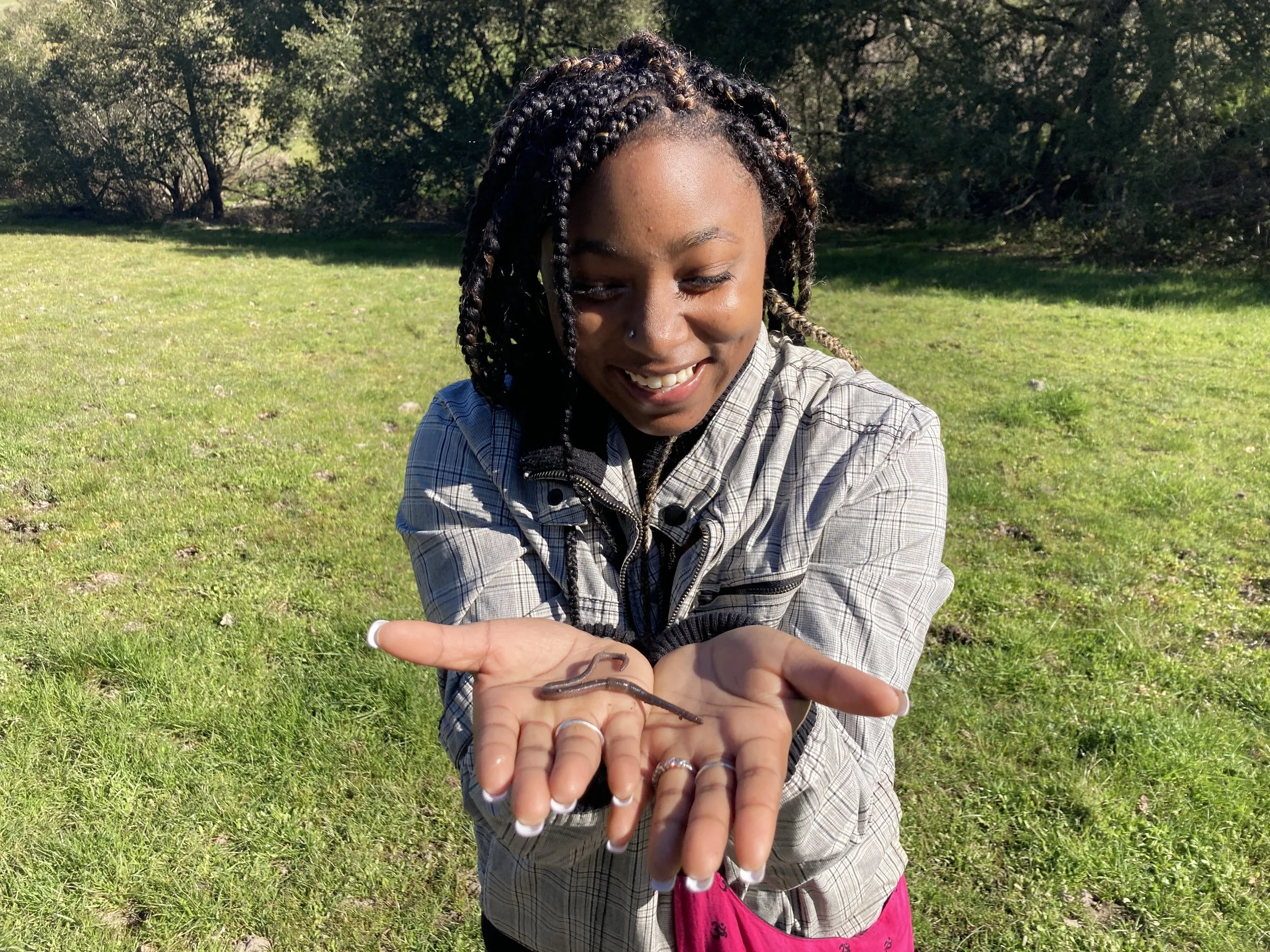
But when softer, when cupped, when concave, the palms of our hands offer so much gentleness. Our palms might be soft or calloused, but there is a tenderness to them. A sweetness. Unlike our fingers, our palms are not doers. They are holders. When we hold a child, it is with the palms of our hands. When we are holding something precious it is with the palms of our hands. When we hold hands with a lover, it is our palms that touch. We caress with our palms. Our grandmothers held our faces between their palms.
When we are in physical need we offer up our palms to each other in supplication: Brother, can you spare a dime? When we are in spiritual need we offer up our palms in supplication to the Divine: Oy, Gotenyu.
In Jewish tradition, when we offer blessing, we direct not our fingertips but our palms toward the recipient. Even in the priestly blessing where we hold our hands in the form of the letter shin, it is still our palms that are directing and pouring forth the energy of the blessing.
In Psalms (91:12) we are assured that angels will hold us in the palms of their hands to make sure we don’t stumble. In Lamentations (3:41) we lift our hearts to heaven in the palms of our hands . In yet another metaphor that we find both in Psalms (98:8) and in Isaiah (55:12), the trees of the field clap the palms of their hands in joy.
These are what our palms symbolize. Supplication, blessing, sustenance, joy, tenderness, love. When the Divine says, hen al kapayim chakotikh, “I etch you on the palms of my hands,” we are meant to feel that we are held and beheld by God in the offering of God’s blessing and sustenance and love.
Palms are also a place of secrets – in our palms we foretell the future or tell the hidden secrets of the soul. Palmistry or chiromancy exists in Jewish mystical tradition; it is documented in ancient Canaanite and Babylonian lore. In which case, Isaiah’s words, “I have engraved you on the palms of my hands,” also means something like, “I see you in my future. You, beloved humans, are already inscribed into my eternal existence.” In other words, our covenant with the Divine is not just a handshake, but is etched into the symbolic flesh of the Divine.
If you haven’t already been doing so while I’ve been saying these words, this would be a wonderful moment to look at and touch the palms of your hands. What is the life you have lived that is recorded in your hands? What is the sensation of lovers’ or children’s touch that you can still feel on your skin? What are the blessings you have received into your cupped hands? What are the blessings you have offered from those same palms?
It is an intimidating honor to be engraved on God’s hands, at least in a dualistic and hierarchical understanding of Divine and human. Now imagine this metaphor in a world of non-duality, or of gentler duality. What might this engraving mean? We are all Divine. We are all engraved on each other’s hands. We carry the “all of it” and bring it to the work we do and the mouths we feed and the shoulders we caress and the burdens we hold. We are the blessers, and the blessed, and the blessing.
May we be etched on the hands of the Divine like the henna patterns of a Yemenite bride. May we see each other with love, and see ourselves in each other, and the Divine in all of it whenever we lift our hands toward each other. May fists open like rose petals and offer blessing like fragrance. May we turn to each other every day and say, hen al kapayim chakotikh – look! I have imprinted you, beloved, on the palms of my hands.